Truth is truth. It shouldn’t be perverted or changed or modified to fit a narrative that we would rather not hear or that others would rather us not hear. Hearing the truth may and certainly will be painful at times. Hearing the truth can also have a way of changing our lives because, by then, we will have begun to see what others were wanting to hide from us or keep hidden. It also has a way of helping us to learn true things about ourselves and/or the world that we don’t always want to deal with or even understand, but should.
The thing is, is that the more that people speak out about something, then the more that it is freeing us from the bondage that others have kept us in or even tried to keep us in. This is because the truth that they are keeping from all of us is inconvenient and doesn’t fit their narrative and is something that they certainly don’t want us to discover for ourselves. This is true in regards to the media (news, newspapers, blogs, podcasts, etc.), religions, governments, etc.
Let’s look at the media, for example. There are those in some news outlets and newspapers and blogs and podcasts where they will shade the truth. It’s inconvenient for them to admit that they are complicit in spreading disinformation about our border, our government leaders on both sides of the aisle, lab leaks, conspiracy theories, valuing life (both born and unborn as well as men and women in respect to who they are) and so many other examples that are just too numerous to list. Yet, they continually fail to see why they aren’t seen as trustworthy anymore. The inconvenient truth for them is that they would have to start being honest with themselves about their inabilities to be truthful before they begin to change their ways. (Related post: Speaking Truths)
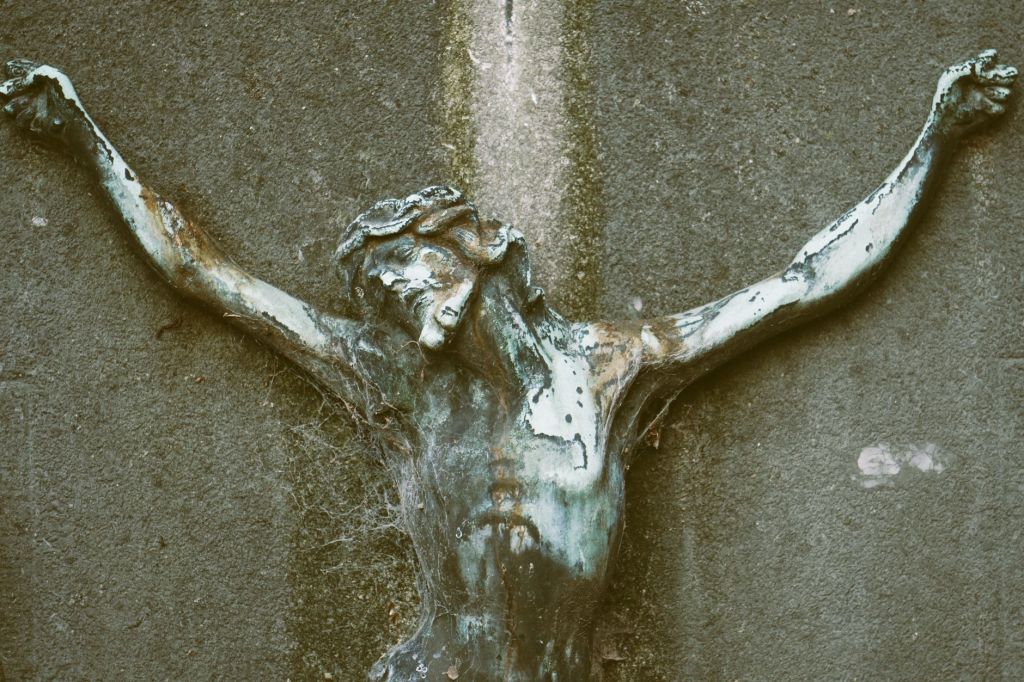
Also, let’s take the religion of Islam, for example. Their religion states that Ishmael, the first-born son of Abraham, was the son that he was commanded to sacrifice and not Isaac the son that Abraham had with Sarah. If you read the Bible, then you know that this was not true and that Jesus is a direct descendant from Isaac through the line of David and therefore fulfills the biblical covenant and lineage through Isaac, instead of Ishmael. The inconvenient truth for those who hold him as a prophet and a patriarch is that while he was important, he wasn’t the one whom God called to become His children, that is, the Jewish and the Christian communities. The inconvenient truth for those in other religions (all, not just Islam) is that parts of the truth are being withheld because they don’t want you to know the full truth and that is, is that there is only one way to God and that is through your belief in and devotion to His Son, Jesus. Once you know that truth, you won’t need them anymore. How very inconvenient for them.
Another thing to look at is governments, for example. Governments are supposed to work for the people that they serve. However, too often, they chose to serve themselves and yet claim that they are working for the good of their people. There are some very wicked people serving in our Congress in the USA who are lining their own pockets. They have shown that they don’t care for the American people by how they vote and choose to focus on what they deem is important, instead. Some examples include letting illegal immigrants in a wide-open border without vetting them while telling us that the border is closed. Having and protecting sanctuary cities and states that choose to fraud the American people and “give” to others our money that does not belong to them. Not standing up for women and claiming that men can become women, too. Celebrating the killing of babies in the womb up to birth and calling it “healthcare”. The inconvenient truth for those who choose corruption over honesty and truth is that we do see you and you will be held accountable for what you did or are choosing to do.
When we live in this world and choose to be dishonest and avoid confronting and even calling out untruthful things, then we are not living in a world that our God intended. Our God values truth and honesty and caring and love. He does give us the strength to stand up and speak out when we see something that is wrong. It’s not hurtful to call these things out, at all. There are those who will call us names because they would rather live in that inconvenient truth than admit that they are actually living a lie. So, my question to you is this…. will you finally open your eyes and see the real truth or will you continue to live in the inconvenient truth? You cannot straddle the fence and try to have it both ways. It’s either one or the other. (Related post: What Type of Influencer Is Influencing You?)
What did I learn from this? I really, really dislike bullies. I really, really dislike those who keep others down because it makes them feel powerful. I also really, really dislike those who choose to be hurtful or bring harm to those who are innocent and cannot defend themselves. So, I will stand up continually to those who don’t have others best interest in mind. That will not make me popular, but I’m okay with that. I have one destination in mind and that’s to be with God at the end of my journey on Earth. I do HIS WILL, not mine so I will always choose truth over something that is inconvenient to others. (Related post: The Value of Truth)
So, what can you learn from this? You do yourself no favors by sitting on the sidelines. Pick a side. Choose your team and don’t be wishy-washy about it, either. Fully decide if you are for the truth or if you would prefer the inconvenient truth. However, also remember that whatever you choose, you must live with the consequences of those decisions if you decide not to face the real truth. Adversely, If you decide to stand on the side of truth then know that God will NEVER let you face any struggle on your own when you make the right choices. He’s got a WHOLE team of angels that He will send to come and defend you especially when He knows that you are speaking up for those who cannot speak for themselves. (Related post: The True Cost of Courage)